
仓储
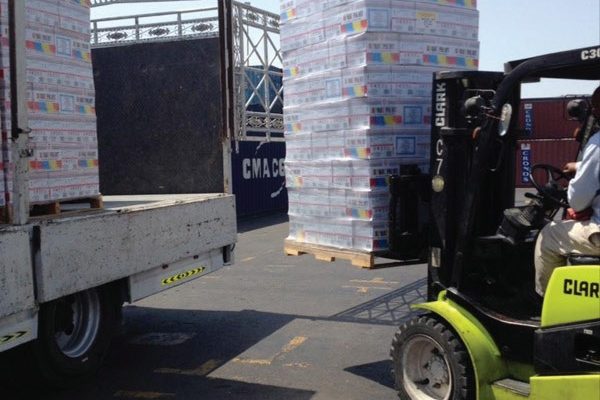
Here are a few of the primary functions of warehousing.
1. Streamlining the shipping process
Larger companies often place warehouses in strategic locations to help with shipments. They may choose to build warehouses in close proximity to a large percentage of their customers or along a direct shipping route. This helps them pick and ship goods faster and more efficiently.
2. Supporting the supply chain
Manufacturers use warehouses to store raw materials and finished goods. This allows them to keep the production facility clear of excess amounts of material and product that may use valuable space in the factory. Keeping the warehousing and production functions separate optimizes the warehouse for the receipt and distribution of goods and materials, creating a more efficient process than an operation focusing on both. Using warehousing for finished goods can also give manufacturers the ability to run larger production batches since it provides a location to store the product.
Larger production runs result in lower costs for the manufacturers and warehouse distributors. Businesses may invest in warehouse space based on the room needed for related warehouse services. This may include adding an assembly line or additional storage space for a new line of products. Warehousing is a vital part of the supply chain for most brands that ship actual goods or products to their customers.
Advantages of Warehousing
There are numerous advantages of warehousing for eCommerce, an online marketplace, or a small business. Understanding how each advantage fits into your business model can clarify the warehouse logistics that suit you best.
- Control Over Products Keeping all of your product stock in a warehouse space allows you to maintain control over it. You can leverage inventory control, get rid of outdated products, and pack orders in a centralized location.
- Improved Workflow Using warehouse logistics to manage orders improves the workflow of your entire facility. By monitoring your operations over a specific period of time, you can quickly uncover inconsistencies. This enables you to dedicate time and attention to resolving any such issues.
- Faster Shipping and Delivery Packing your products up in the same warehouse space they were received in allows shipping and distribution to effortlessly handle their part. Customers expect fast turnarounds, and by eliminating lag time, you’re likely to win repeat business.
- Close to Target Market Many companies place their warehouses in locations close to their target markets. This supports fast shipping and easy returns--two factors that customers have high standards for. The faster each order is shipped and delivered to customers, the more time you have to focus on growing your business.
- Long-Term Storage Another benefit of warehousing is storing long-shelf-life goods in a safe, profitable manner. Instead of placing MOQ orders frequently, you can place EOQ or JIT orders more frequently and ship products out as they’re sold. This reduces time spent on receiving at your facility and allows both you and your staff to focus on fulfillment, customer service, and other warehouse services.
- Risk Minimization It’s easy to watch a handful of products when your venture just started. As you grow, preventing losses becomes more challenging. The benefits of warehousing include appropriate equipment for minimizing risk, especially for cold items and perishable foods.
- Task Delegation Maintaining your stock levels by yourself, all while handling sales and marketing, is time-consuming and costly. By warehousing your products, you delegate the former responsibilities to staff members.